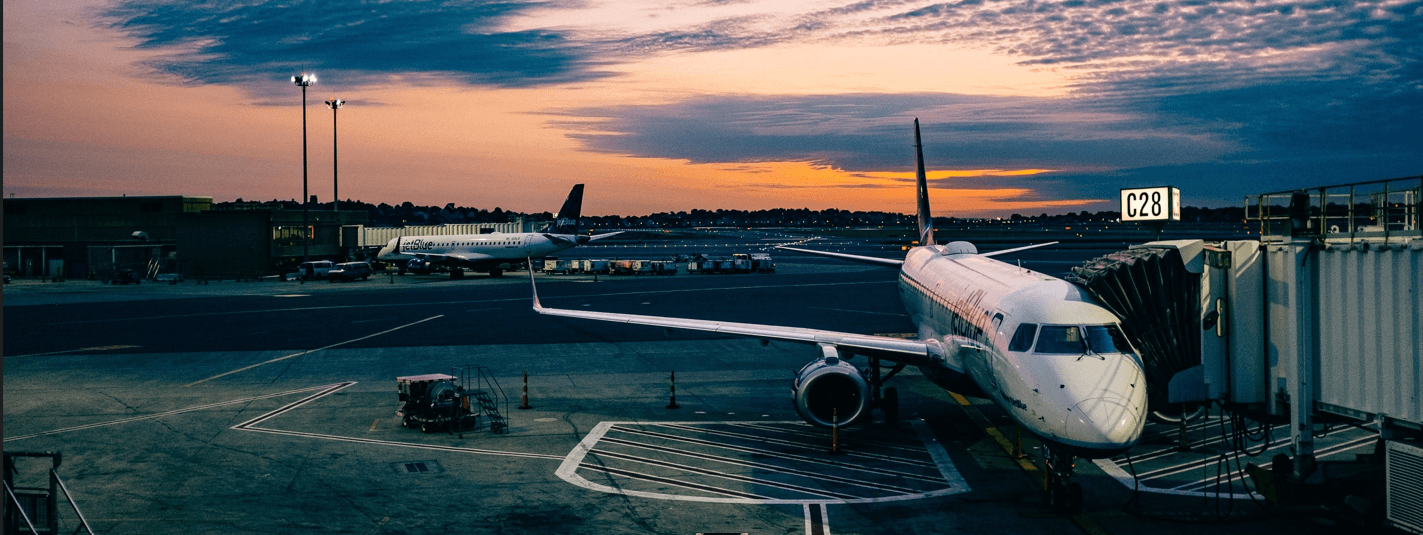
Ways To Experience Premium Travel Beyond The Mainstream
As travel has become more accessible, many destinations once associated with refinement and escape are now defined by crowds, queues, and constant visibility. Iconic places attract volume rather than atmosphere, and the experience is often shaped by congestion instead of discovery. For travelers seeking something more considered, the appeal lies increasingly in moving away from the mainstream.
Premium travel today is less about recognition and more about removal. Distance from crowds, from predictable itineraries, and from overexposed locations has become a defining marker of quality. Quiet, space, and ease are no longer byproducts of luxury, they are the objective.
This shift reflects a broader change in how value is perceived. Instead of high-traffic destinations and peak-season highlights, travelers are prioritizing access, timing, and intent. The most compelling journeys now unfold beyond the obvious, where privacy is preserved, experiences feel personal, and travel regains its sense of purpose.
Off-the-Beaten-Path Journeys
Travelers seeking premium experiences are increasingly drawn to destinations that sit outside conventional tourism circuits. Places such as French Polynesia beyond its most frequented islands, the coral-rich waters of Palau, or remote regions of Patagonia are not undiscovered, but they remain lightly visited due to distance, access limitations, and the commitment required to reach them. That natural friction preserves a sense of calm and authenticity that heavily trafficked destinations struggle to sustain.
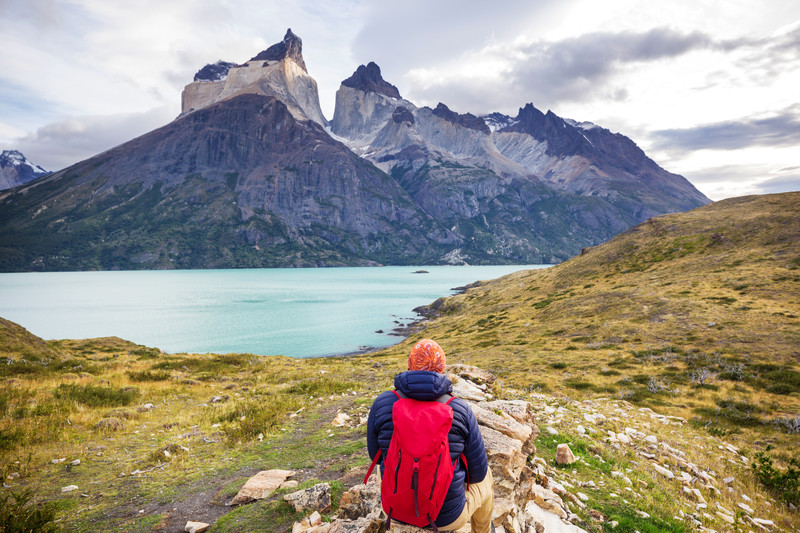 Breathtaking view of torres del paine national park chile.
Choosing routes beyond the mainstream allows travel to unfold at a different pace. Smaller airports, limited flight schedules, and purposeful transfers replace high-volume infrastructure. Arrival feels earned rather than processed. In destinations like the Faroe Islands or Namibia’s less traveled reserves, the absence of crowds creates space for immersion, whether that means spending unstructured time in the landscape, engaging more deeply with local communities, or experiencing silence without interruption.
In this context, remoteness is not an inconvenience but a design feature. It filters demand, limits exposure, and protects the character of a place. For many travelers, the value lies precisely in that separation, where distance becomes a form of curation and space emerges as the most meaningful luxury.
Naturally Secluded Stays
Accommodation plays a defining role in shaping how removed a journey feels from the mainstream. Naturally secluded stays are designed around privacy rather than spectacle, using geography, scale, and thoughtful planning to limit density and distraction. Isolation is not decorative, it is structural.
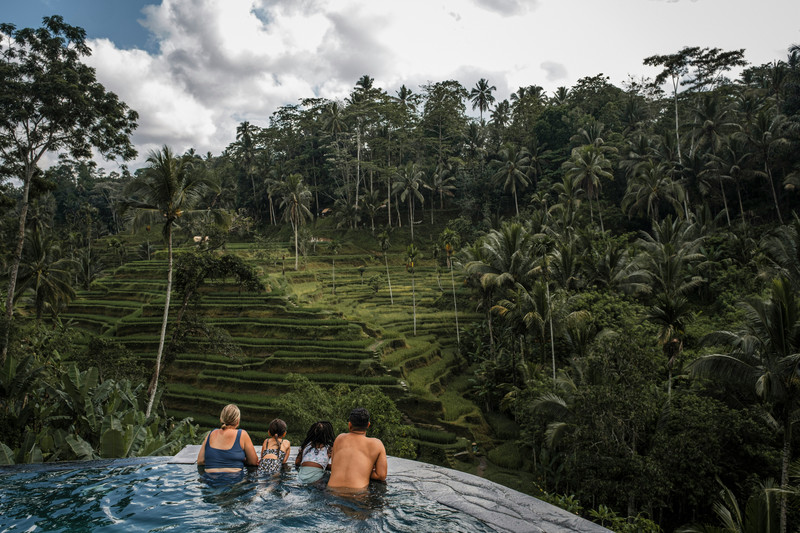 Relaxing in a stunning infinity pool overlooking the iconic tegallalang rice terraces.
Island resorts with limited access, alpine retreats positioned above busy valleys, remote safari camps, and private villas all share a common advantage. Their locations inherently reduce foot traffic, noise, and external intrusion. The result is an environment where guests experience a sense of ownership over space, time, and attention.
Architecture further reinforces this separation. Low-density layouts, discreet pathways, and an emphasis on views rather than visibility allow these properties to feel absorbed into their surroundings. In such settings, luxury is expressed through quiet, restraint, and the absence of unnecessary presence, creating stays that feel composed rather than performative.
Beyond the Bucket List
As travel becomes more saturated, the appeal of checklist-driven itineraries continues to fade. Visiting landmarks simply because they are well known no longer defines a meaningful journey for travelers seeking depth and distinction. The focus shifts from accumulation to alignment.
Experiences are increasingly shaped by personal interests, timing, and intent rather than external validation. A journey planned around a specific season, a private passion, or a narrow window of opportunity often carries more significance than a route built around famous names. What matters is not how recognizable a destination is, but how closely it reflects individual curiosity.
 Experience the magic of the Arctic: Husky sledding under a spectacular display of the green Northern Lights (Aurora Borealis) across a snowy wilderness.
Moving beyond the bucket list allows travel to feel less performative and more deliberate. Without the pressure to see everything, travelers gain the freedom to engage more deeply, stay longer, and choose experiences that resonate on a personal level rather than a public one.
Private Travel Experiences
Private travel experiences offer a level of control and access that mainstream itineraries cannot replicate. Yacht charters, bespoke safari routes, and privately guided expeditions are shaped around individual priorities rather than fixed schedules, allowing journeys to unfold without external pressure or compromise.
Traveling privately changes both pace and possibility. Fly-in journeys to Antarctica, such as White Desert’s operations from Cape Town, replace days at sea with a direct flight to a blue-ice runway. Landings at Wolf’s Fang create immediate access to the continent’s interior, where travel continues by ski plane or specialized overland transport into landscapes defined by scale and isolation rather than itineraries. From there, travel continues by ski plane or specialized overland transport, reaching landscapes defined by scale and isolation rather than itineraries.
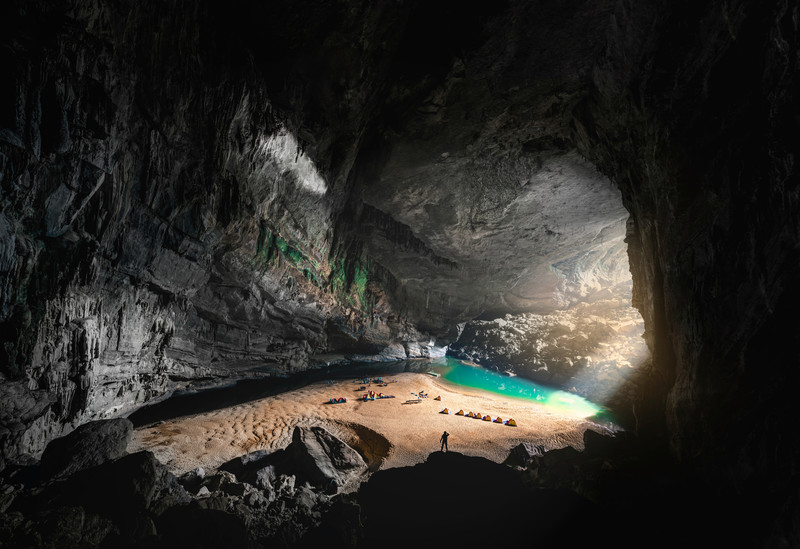
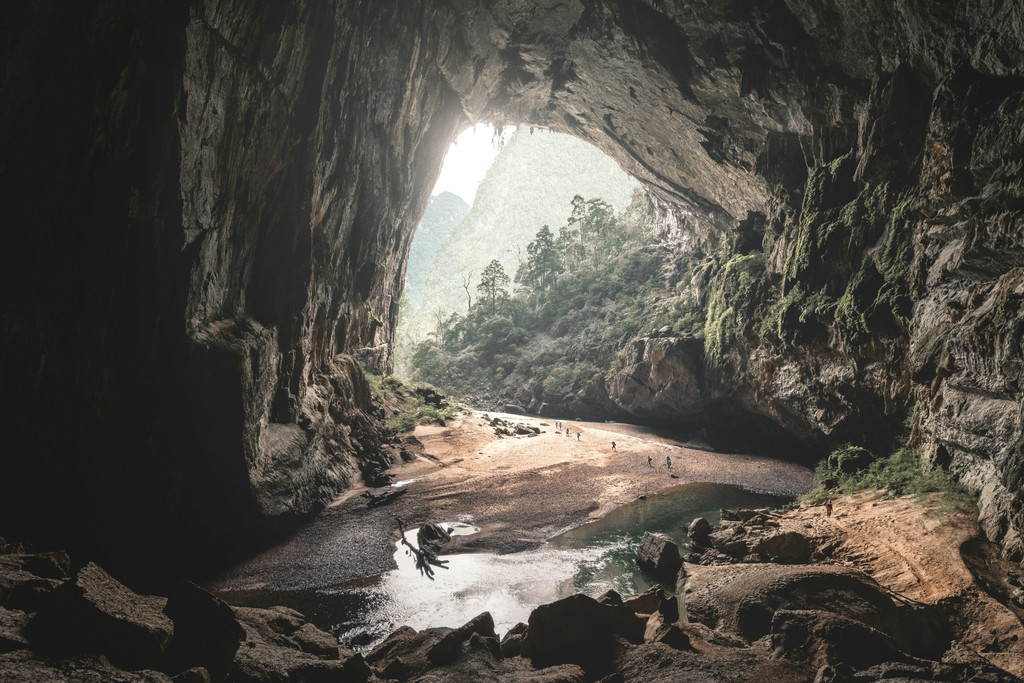 Private expedition in world’s largest cave Son Doong cave in Vietnam. Photo by Andrew Skv.
Expeditions into environments such as Son Doong cave require permits, specialist guides, and complex logistics that inherently limit participation. In these cases, access itself becomes integral to the experience, shaped by preparation, expertise, and an acceptance of constraint. The value of privacy lies not in exclusivity alone, but in flexibility. Routes can shift, days can slow, and attention can linger where interest is strongest. Removed from standardized planning and group movement, these journeys feel deliberate and immersive, shaped entirely by intent, environment, and personal definition.
Elevated Experiences
Elevated experiences distinguish themselves by replacing scale with selectivity. Rather than participating alongside large groups, travelers engage in activities where numbers are naturally limited by skill, setting, or environment. Exclusivity emerges organically, without the need for staging or spectacle.
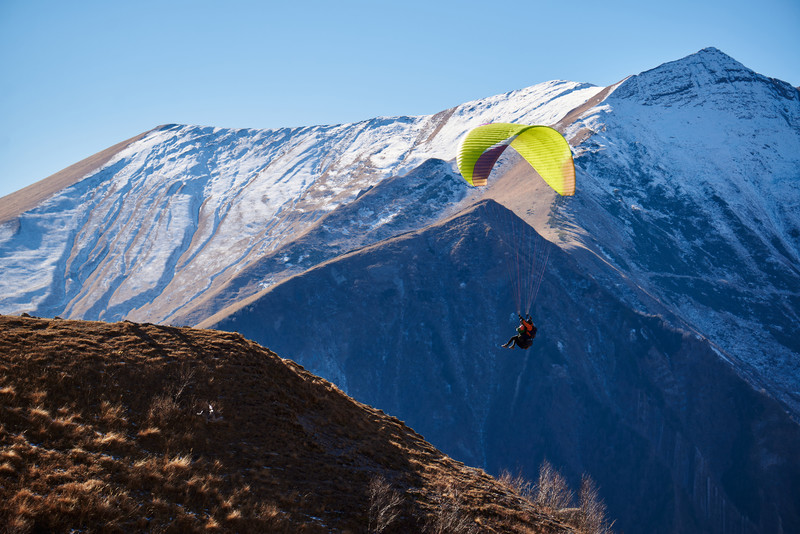 Paragliding in Gudauri, Georgia.
Activities such as paragliding above remote terrain in New Zealand, sailing along Greenland’s sparsely populated coastline, or undertaking private fishing expeditions in protected waters are defined by their inherent constraints. Weather systems, terrain, and technical expertise set the terms, ensuring participation remains rare and considered. These conditions create a depth of immersion that mass experiences cannot replicate.
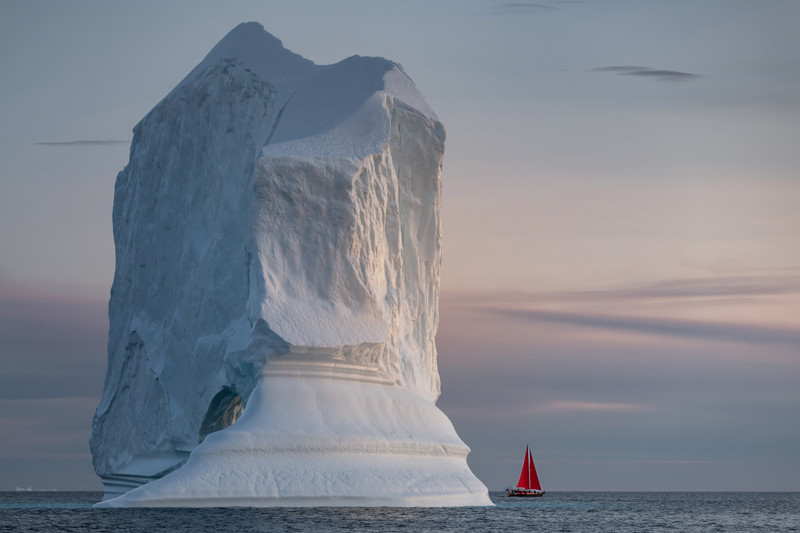 Massive Iceberg and Red Sailboat in Greenland's Ilulissat Icefjord | Disko Bay Arctic Landscape Photography.
In this context, elevation refers less to adrenaline and more to refinement. Attention is given to timing, guidance, and surroundings, allowing experiences to feel purposeful rather than promotional. The result is engagement that feels authentic, grounded, and shaped by environment rather than demand.
Purpose-Driven Travel
Purpose-driven travel places meaning at the center of the journey. Rather than moving from sight to sight, travelers engage with destinations through conservation efforts, cultural exchange, research, or learning. These journeys are structured around contribution and understanding, not consumption.
Such experiences often exist outside mainstream travel patterns because they require time, commitment, and alignment with specific values. Participating in wildlife preservation, supporting local communities, or exploring historical and scientific contexts introduces a depth that cannot be replicated through conventional sightseeing. The experience becomes participatory rather than observational.
 Festive Feasting: Sharing a traditional Hari Raya meal with family and friends.
By prioritizing purpose, travel shifts from passive enjoyment to active engagement. The reward is not visibility or recognition, but a deeper connection to place and process. In this way, purpose-driven journeys offer a form of exclusivity defined by intention and impact rather than access alone.
Cooler, Quieter Seasons
Seasonality plays a decisive role in shaping how crowded a destination feels. By traveling outside peak periods, travelers gain access to places at their most composed, when landscapes are calmer, services are less strained, and the experience feels unforced rather than managed.
Cooler seasons naturally deter volume, particularly in northern latitudes and alpine regions. Arctic voyages, journeys through Norwegian fjords, and extended stays in the Swiss or Italian Alps during shoulder or winter months offer a quieter rhythm and heightened sense of presence. Climate becomes an asset rather than an obstacle, sharpening scenery and reducing distraction.
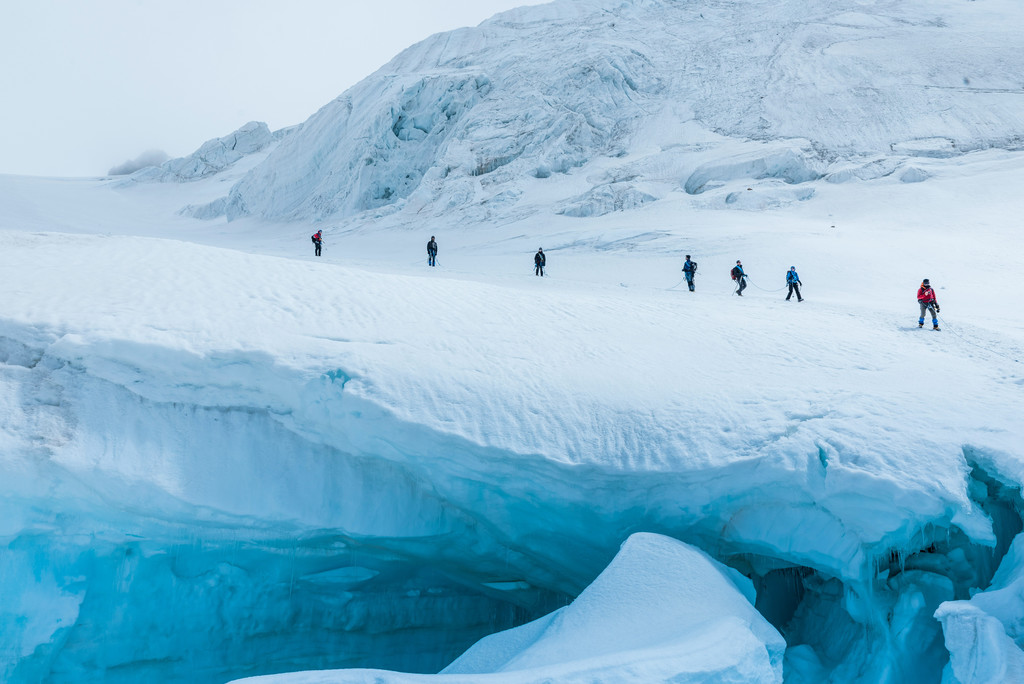 Expedition of hikers on a massive glacier crevasse in snowy mountains | Winter trekking adventure and ice climbing on blue ice landscape.
Choosing these moments reflects a broader shift away from predictable travel windows. Timing becomes a strategic decision, allowing destinations to be experienced on their own terms. In doing so, travelers trade familiarity for atmosphere, discovering refinement not in peak demand, but in deliberate absence.
A Quieter Definition of Luxury
As travel continues to expand, the most refined experiences are increasingly defined by what remains untouched. Luxury emerges not from scale or recognition, but from the ability to move through the world with minimal friction and maximum clarity. This form of travel values composure over consumption.
Choosing less visible paths reshapes the relationship between traveler and destination. Attention shifts inward, toward atmosphere, rhythm, and personal response, rather than outward toward validation or completion. The journey becomes something lived rather than documented.