The Quiet Coolcation: Where Experienced Travellers Escape the Summer Heat in 2026
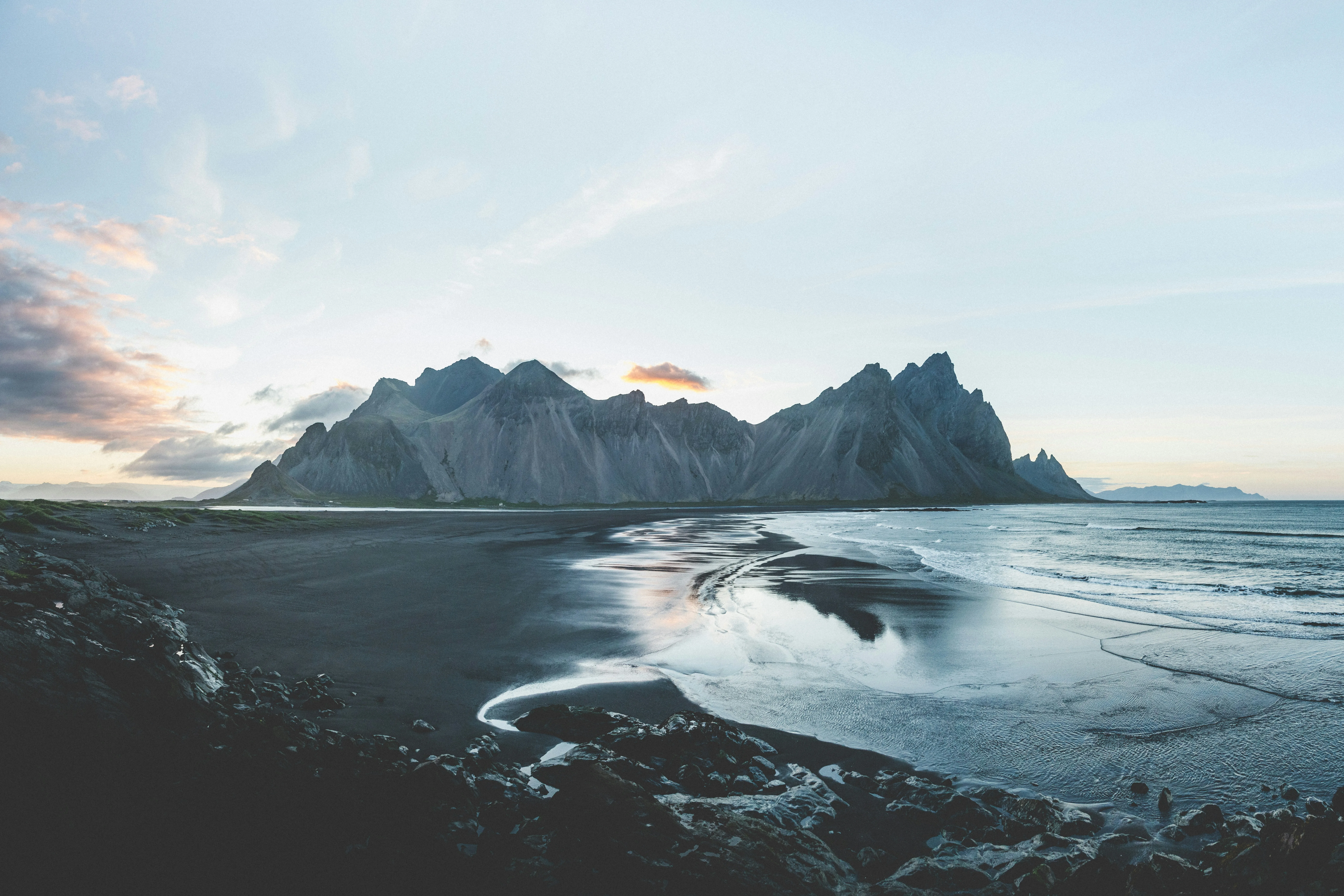
For decades the shape of the European summer was settled. Travellers moved south, toward the Mediterranean, toward heat and coastline and the familiar choreography of the high season.
That pattern is now changing, and not for reasons of fashion.
Europe is the fastest warming continent on earth. The summers that once defined the season have become, in many of the most popular destinations, genuinely uncomfortable. The result is a quiet but decisive shift in how experienced travellers plan the warmer months.
The term that has emerged for this shift is the coolcation. The idea is simple. Rather than travelling toward the heat, you travel away from it, choosing destinations with mild summer temperatures, long northern light and the space to move through a day without retreating indoors at noon.
The mainstream has discovered the word, and the search interest has surged. What the mainstream has not yet done is approach the coolcation with the discretion and intelligence it deserves.
This is the Above9 view on how to do exactly that. Not a list of cold places, but a considered guide to experiencing the cool-climate summer the way a seasoned traveller would, with privacy, space, good routing and a sense of intent.
Why the Coolcation Matters Now
The coolcation is not a marketing invention. It is a rational response to a measurable change.
In a destination with a moderate summer climate, a traveller can:
Explore on foot through the middle of the day rather than retreat indoors at noon
Sleep well without fighting the heat
Linger over long dinners and unhurried mornings
Return home rested rather than depleted
For the traveller who values the quality of an experience over the box-ticking of a famous location, this is a meaningful improvement.
There is also a quieter luxury at work here. The most beautiful cool-climate destinations are defined by space and scale rather than crowds and queues. The Icelandic south coast. The Norwegian fjords. The Scottish Highlands. The Italian Dolomites. They reward the traveller who wants room to think.
That is precisely the register that suits an experienced traveller, and precisely the opposite of a packed Mediterranean promenade in August.
The timing matters too. Coolcation has moved from niche to mainstream language over the past two seasons, which means the well-known entry points are beginning to attract volume. The window to experience these places quietly is now, before the busiest names follow the same trajectory as the destinations travellers are leaving behind.
The Best Time to Go
Cool-climate destinations have a narrower and more particular high season than the Mediterranean. Understanding it is the difference between a serene trip and a compromised one.
Peak summer, June through August. The mildest temperatures and the longest days, with parts of the far north enjoying near-continuous daylight. The period of greatest natural drama, but also when the headline sites draw their largest numbers.
The shoulder, late May to early June and late August into September. The more refined choice. Same long light and mild air, materially fewer people.
A few seasonal rewards worth noting:
In the Nordic countries, the very early summer carries the additional reward of the white nights
In the Scottish Highlands and the Dolomites, September brings the first turn of autumn colour with the crowds already thinning
Across all regions, weekday travel within the shoulder is quieter still
For the traveller able to choose dates with intent rather than around school calendars, the edges of the season are almost always the more intelligent decision.
How to Avoid the Crowds
The instinct that drives the coolcation, the wish to escape pressure and heat, is undermined the moment a traveller arrives at the single most photographed waterfall in Iceland alongside a dozen coaches.
Avoiding this requires a small shift in thinking, built on three principles:
Move one valley over. The famous sites are famous for good reason, but they almost always have a quieter equivalent within a short drive.
Base yourself away from the obvious hub. A property forty minutes from the capital, on a stretch of coast or in a quiet valley, transforms the rhythm of a trip.
Use the edges of the day. In destinations with very long summer light, the hours that crowds neglect, early morning and late evening, are not only emptier but often the most beautiful, with low golden light across the landscape.
The experienced traveller treats the well-known sites as something to visit early or late, briefly and deliberately, rather than as the centre of the day. The centre of the day is spent where others are not.
Where to Stay for a Quieter Luxury Experience.
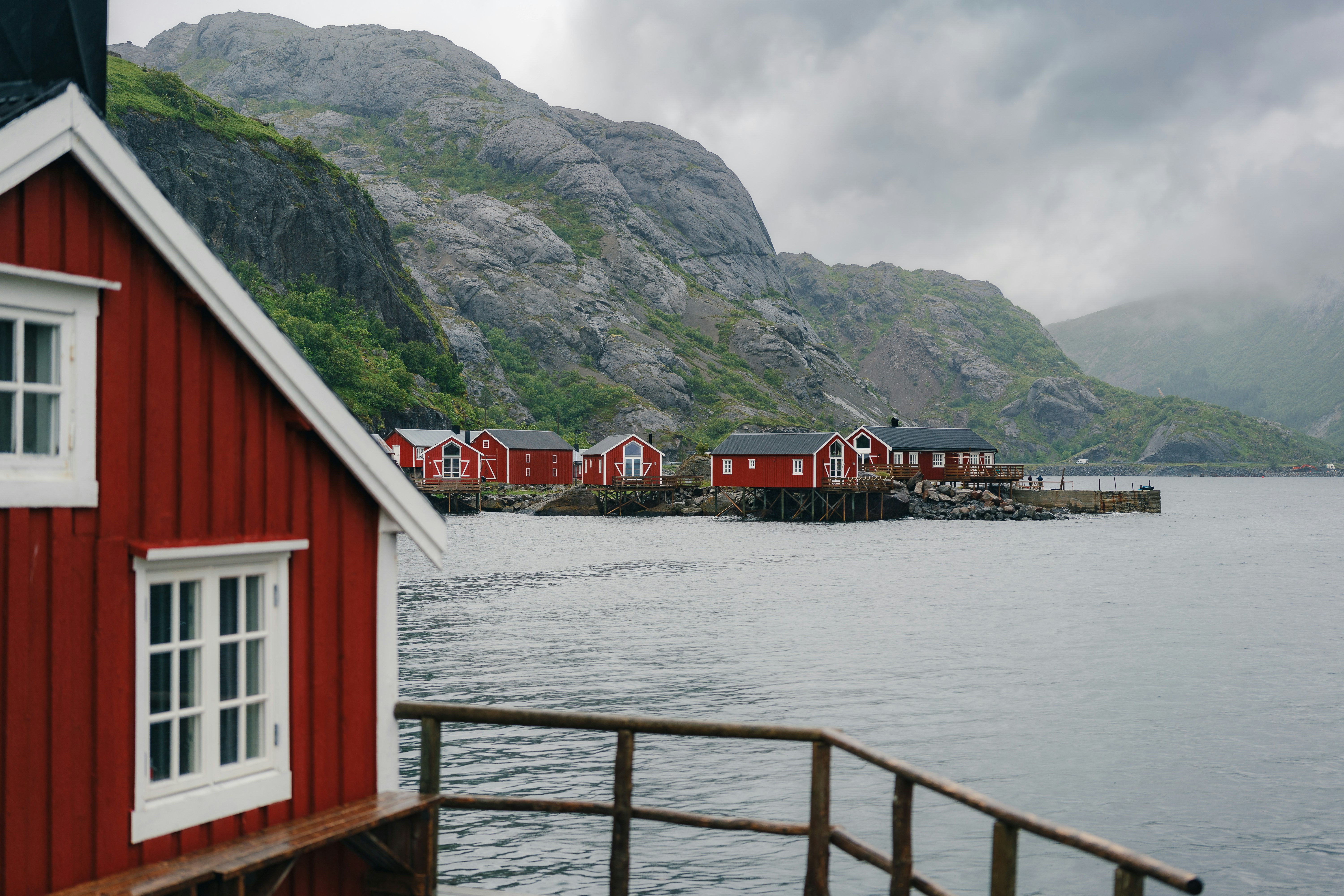
Lofoten, Norway. Credits - danielsessler
Accommodation is where a coolcation is won or lost. In these landscapes the property is not merely a base. It is the vantage point from which the scenery is experienced.
The right choice is a quiet, design-led property with space and a genuine connection to its setting, rather than a large hotel in a busy town.
Iceland. The most rewarding properties sit away from Reykjavik.
On the south coast, a new generation of design-led hotels faces the North Atlantic from stretches of volcanic black beach, pairing pared-back Scandinavian interiors with floor-to-ceiling views
Torfhus Retreat, built in the spirit of traditional turf houses, offers seclusion within easy reach of the Golden Circle
Highland Base at Kerlingarfjoll sits remotely among rhyolite peaks and geothermal rivers, for travellers who want true wilderness with serious comfort
Hotel Ranga remains a considered choice for those who want a warm lodge atmosphere paired with open skies
Norway. The most refined stays balance the design culture of Oslo and Bergen with the drama of the fjords.
Intimate, design-forward city properties work well as bookends to a journey
The most memorable nights are spent at smaller properties deep in the fjord landscape, where the appeal is genuine disconnection rather than amenity for its own sake
The Scottish Highlands. The register here is different.
Quiet luxury here means fire-warmed rooms, art-filled interiors and landscape on a vast scale
A small number of exceptional properties in and around the Cairngorms have made the region a serious destination for the discerning traveller, not merely a romantic idea
The Italian Dolomites.
The finest small lodges practise a restrained alpine luxury of raw timber, stone and glass, with a sense of being held quietly within the mountains
The best of them are small enough that you rarely encounter other guests, which is the entire point
The common thread is restraint. The goal is not the largest suite or the longest amenity list, but a property that frames its landscape, holds few guests and leaves the traveller with a sense of space.
How to Move Around Smartly
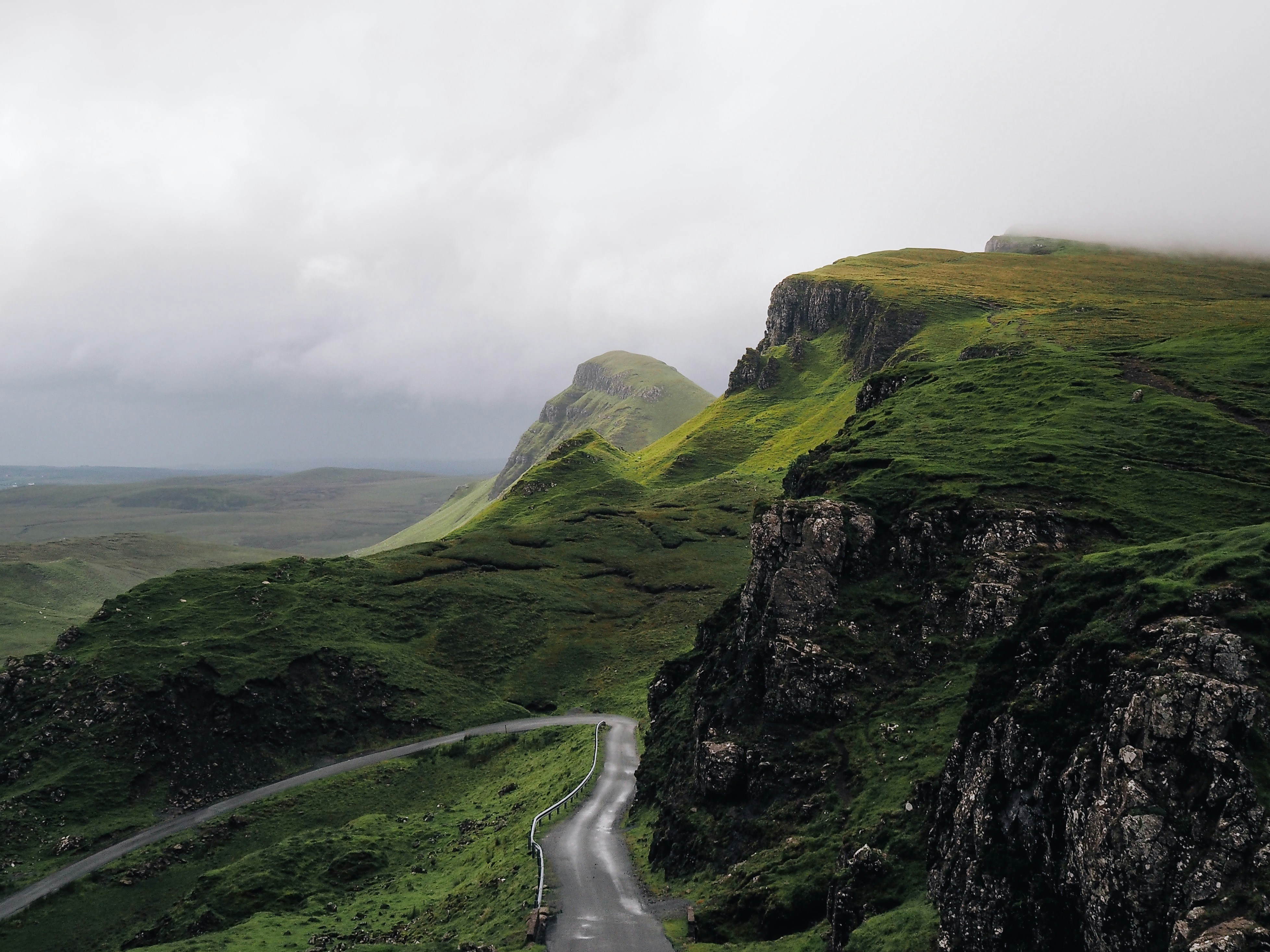
Quiraing, Portree, United Kingdom. Credits - Andrew Ridley
Movement is the most underestimated element of a cool-climate trip, and the one mainstream travellers most often get wrong.
For Iceland, Norway and Scotland, the private vehicle is the instrument of freedom. A self-driven or chauffeured car turns the landscape itself into the experience and unlocks the quieter routes that public transport and group tours cannot reach.
The journey between places is frequently more beautiful than the destinations themselves. This is a reversal of the usual logic and one of the genuine pleasures of these regions.
A few region-specific notes:
In the fjords and across the Scottish islands, the sea is part of the road network. A well-chosen ferry crossing or private boat charter is both practical and memorable.
In the Dolomites, the mountain passes reward unhurried driving. The cable car networks open high-altitude walking without the effort of the full ascent.
In Iceland, the Ring Road is the headline route, but the unpaved interior tracks reveal the country a different traveller sees.
The principle throughout is autonomy. The experienced traveller structures movement to preserve flexibility, to follow the weather and the light, and to avoid the fixed schedules that pull travellers into the same places at the same times.
The Routing Question
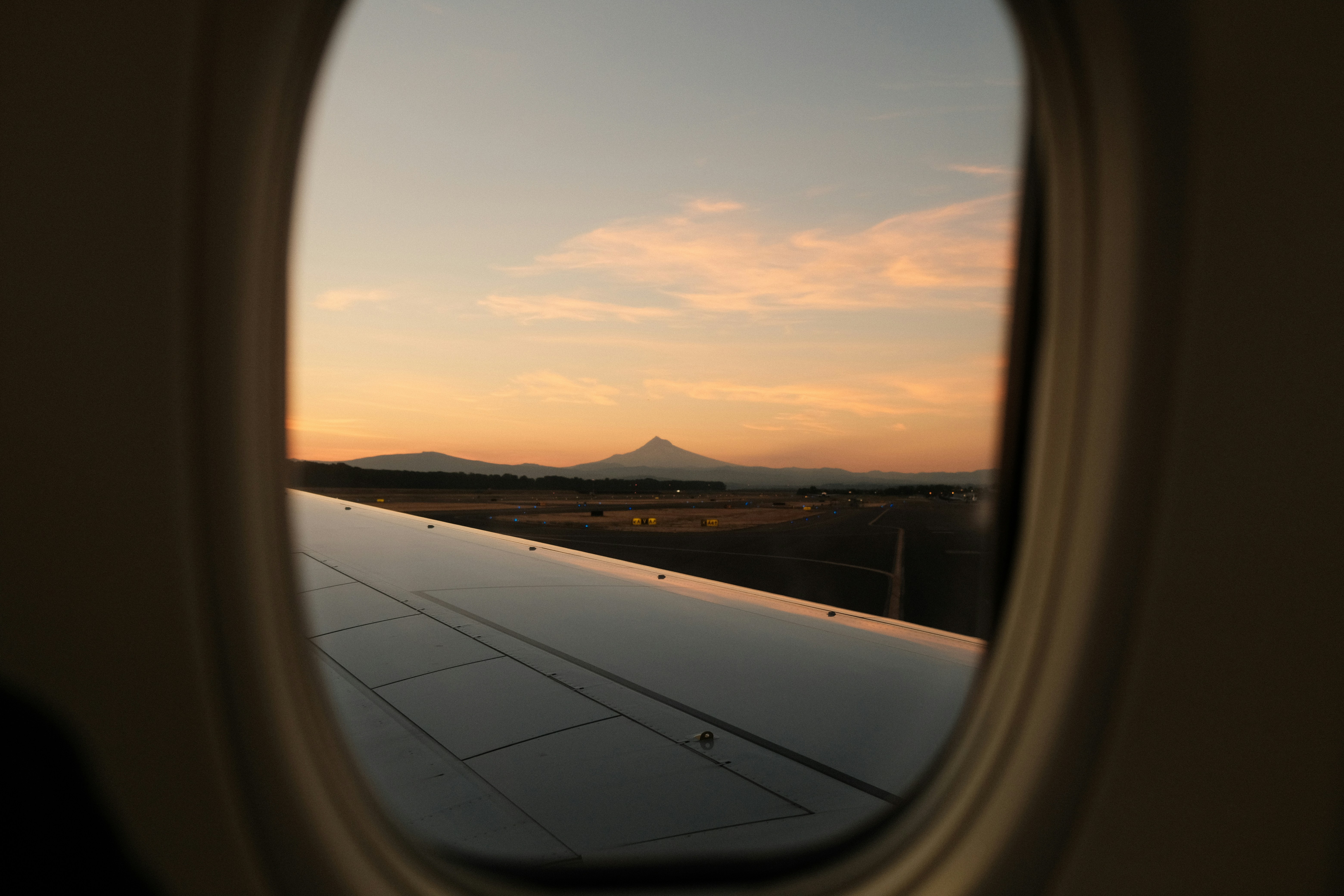
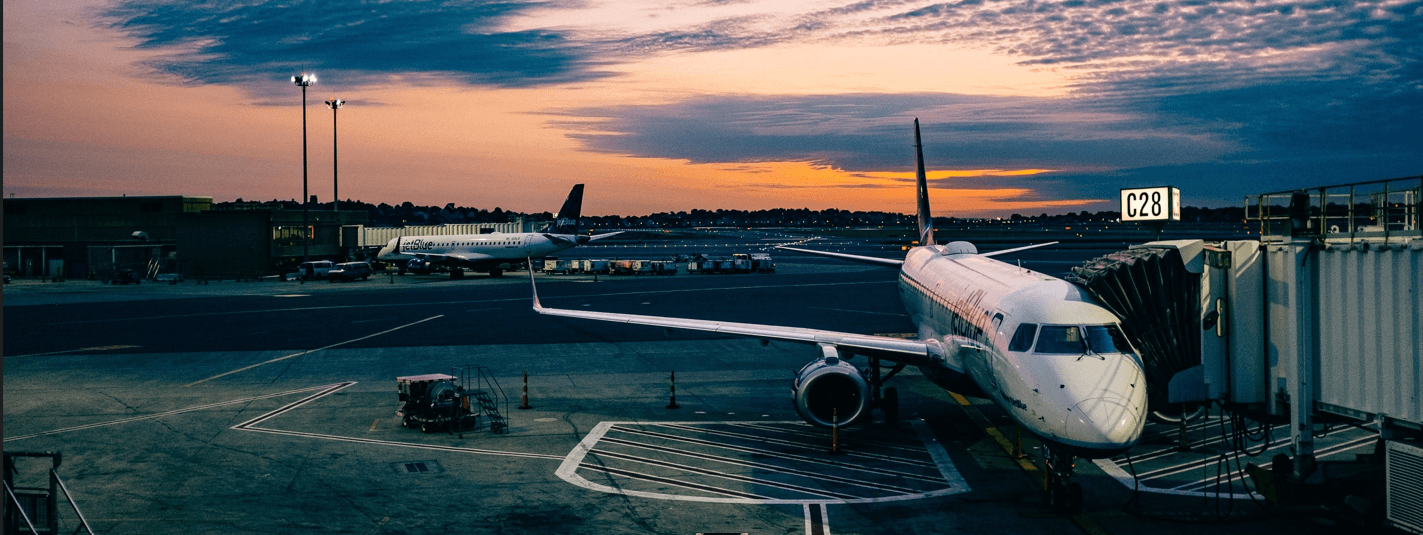
For travellers approaching these destinations on business or other premium cabins, routing deserves genuine thought. The cool-climate north is not always served by direct long-haul premium flights, and the connection strategy shapes the whole journey.
For Reykjavik, Oslo, Bergen and the Scottish hubs. Most often reached through a European gateway. London, with its onward connections across the continent, is a natural consolidation point. A single itinerary that routes through a major hub on one ticket, with luggage checked through, is far more civilised than a self-connected patchwork.
For the Dolomites. Reached through northern Italian gateways such as Venice or Verona, both well served from major European hubs in premium cabins. The final road transfer into the mountains is part of the experience rather than an inconvenience.
For travellers using airline alliances and their associated status, the value lies less in any single nonstop and more in the seamless construction of the whole route, including lounge access and recognition at each point.
The intelligent approach is to treat the premium cabin and the routing as a single design problem. The aim is to arrive rested and unhurried, with the connection structured to protect that, rather than to chase the theoretically shortest itinerary at the cost of a punishing transfer.
What Mainstream Travellers Get Wrong
A few recurring patterns separate a considered coolcation from a frustrating one:
Treating a cool-climate destination like a warm one. Arriving without layers, underestimating how quickly mountain or coastal weather turns, and being caught unprepared. The northern summer is mild, not warm, and the weather is part of its character rather than a flaw in it.
Chasing the single famous image. The most photographed waterfall, fjord viewpoint or glen is rarely the most rewarding way to spend time, and is almost always the most crowded. The traveller fixated on the headline site misses the quieter equivalent a short distance away.
Over-scheduling. These are landscapes that reward stillness, long drives and unplanned hours. A trip packed with timed activities defeats the very reason for choosing a cool-climate escape in the first place.
Basing in the busiest town for convenience. The convenience is real, but the cost is the loss of the space and quiet that make the destination worth choosing.
How Experienced Travellers Approach It Differently
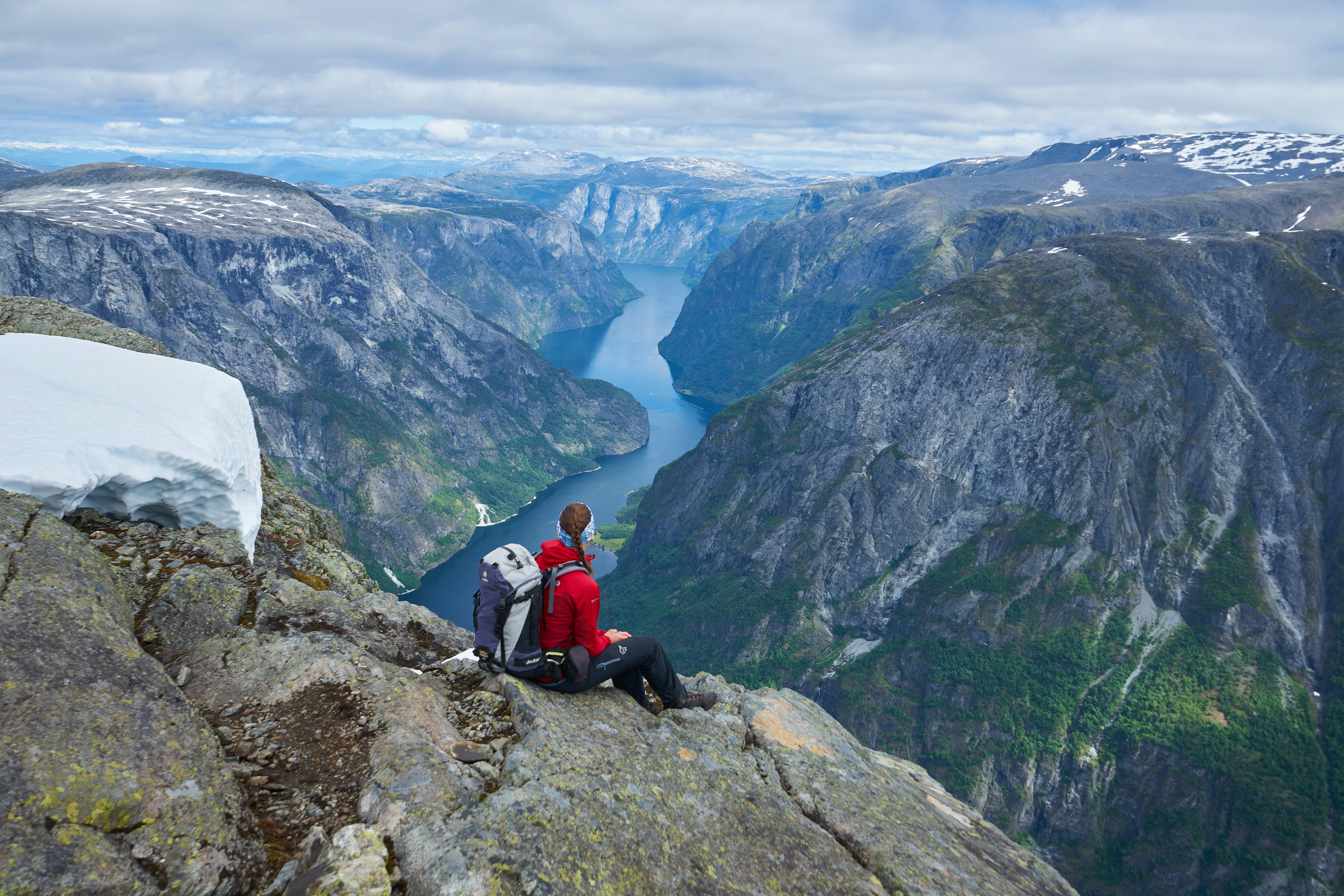
Svolvær, Lofoten Islands, Norway. Credits - Reiseuhu
The experienced traveller inverts the mainstream approach in a few consistent ways:
Chooses the destination for its space rather than its fame
Chooses dates at the edges of the season rather than its centre
Bases away from the obvious hub, in a property that frames the landscape and holds few guests
Builds movement around autonomy and the weather rather than fixed schedules
Treats famous sites as brief, well-timed visits rather than the structure of the day
Designs the routing and the premium cabin together, so the journey supports the trip rather than detracting from it
Above all, they understand that the value of a cool-climate summer is not the temperature alone. It is the room to move, to rest and to experience a landscape at its own pace. The quality the mainstream summer has increasingly lost.
Practical Luxury Tips
A short set of refinements that elevate a cool-climate trip:
Pack in layers regardless of the forecast. A single warm and waterproof layer transforms comfort in regions where the weather changes within an hour.
Reserve the standout dinners in advance. The best small restaurants in remote regions have limited covers and book out well ahead in season.
Build in unscheduled days. In landscapes governed by weather and light, the ability to move plans by a day is itself a luxury.
Travel toward the edges of the day. The quietest and most beautiful hours in the long northern summer are early and late, when the light is low and the famous sites are empty.
Choose one region and explore it deeply. Attempting to cover Iceland, Norway and Scotland in a single trip wastes the very stillness these places offer. Depth rewards more than breadth.
Confirm the property's setting, not just its rating. A quiet location forty minutes from the hub will shape the trip more than an extra star in a busy town.
The Above9 Advisory View
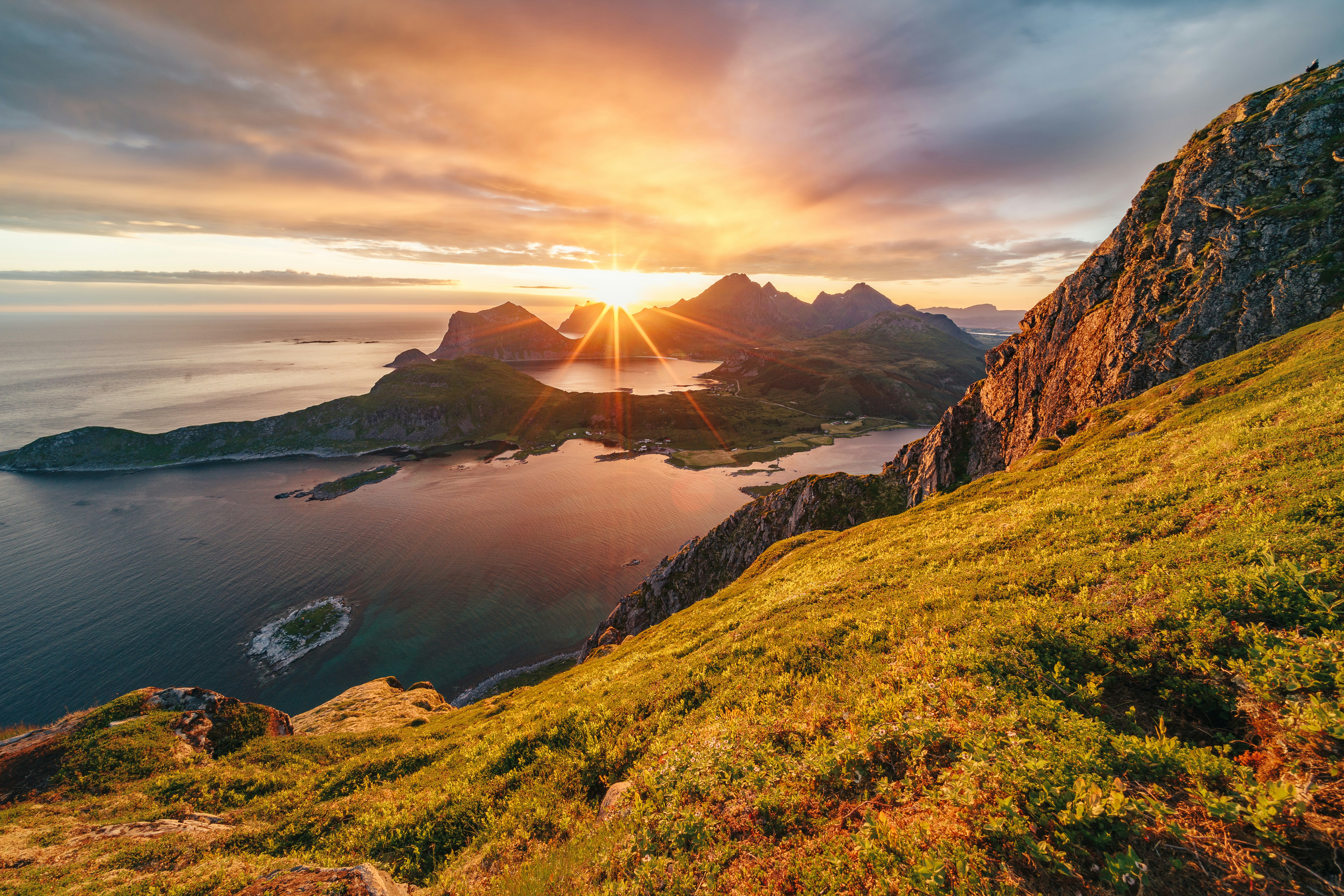
Lofoten, Norway. Credits - danielsessler
The coolcation has become a popular word, but the idea beneath it is older and more durable than the term. It is the recognition that the quality of a summer is measured not by the heat endured but by the space, light and ease a destination affords.
The cool-climate north and the high alpine valleys offer exactly that. For now, they still offer it quietly.
At Above9, premium travel is approached as a discipline rather than a transaction. The goal is not simply to reach a fashionable destination or to escape the heat, but to structure the journey with clarity, discretion and intent, so that the season is experienced with room to breathe rather than crowds to navigate.
A coolcation, approached this way, is not a trend to follow. It is a more intelligent way to travel in a changing climate.