Business Class in 2027: Why Availability Is Changing Even as Airlines Add More Seats
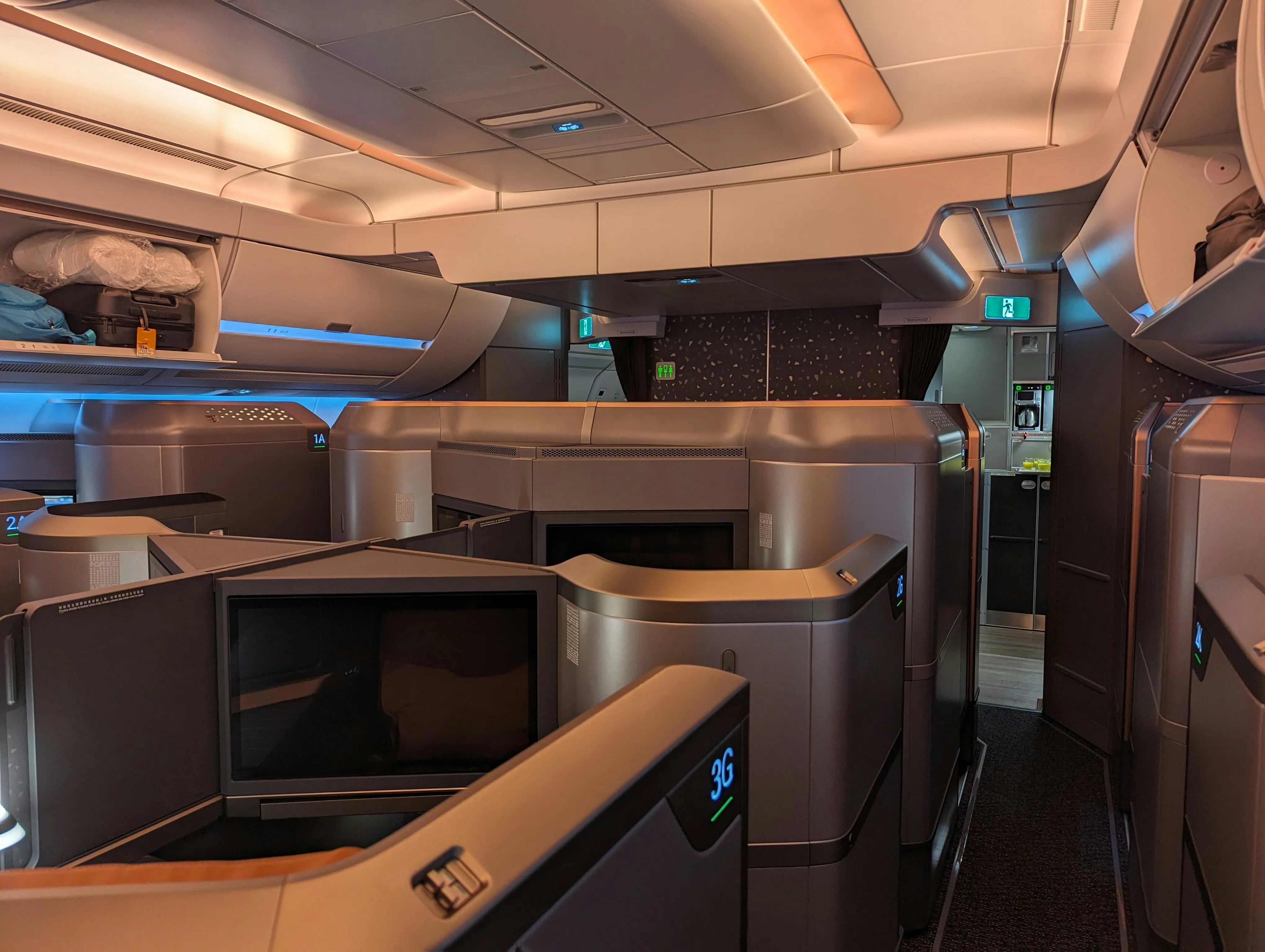
Airlines are investing heavily in business class. New lie-flat seats, redesigned cabins and expanded premium services are arriving across the market. Yet finding the right business class itinerary at a sensible fare is not necessarily getting easier.
The apparent contradiction points to a real shift in international air travel. For 2027, the question is no longer whether a business class seat exists. It is whether the flight you want, the cabin you want and the fare you want are available together.
At a glance
109.7 million international first and business class passengers in 2025, up 4.5% year on year (IATA)
99% rise in global searches for first and business class flights on Trip.com in the first half of 2026
18% rise in Delta's premium revenue in the September 2026 quarter, against a 6% rise in premium seating
Affluent travellers are shortening trips and becoming more price sensitive, while ultra-luxury demand holds up (Deloitte)
Premium Air Travel Is Growing - But the Numbers Need Context

Growing premium demand shows up in three places: industry passenger statistics, airline financial results and booking-platform activity. Each measures something different, so they are worth reading separately.
109.7 million international premium passengers
IATA's World Air Transport Statistics, published in July 2026, put international first and business class passenger numbers at 109.7 million in 2025. That is 5.5% of international travellers and a 4.5% increase on the previous year.
Europe is the largest premium market by volume, with 39.7 million travellers.
North America and the Middle East have particularly high premium shares within their international markets.
These figures show that premium travel is a substantial and growing part of aviation. They do not show how quickly individual flights sell out or whether fares rise on every route.
Delta's premium revenue grew faster than its seats
Delta Air Lines' third-quarter 2026 results, released on October 9, show premium revenue up 18% year on year. Premium seating rose 6% over the same period, and higher yields and load factors drove the gap.
Delta's premium category includes products beyond international business class, so this is not a direct measure of lie-flat demand. It does show that airlines can grow premium revenue without growing premium capacity at the same rate.
Premium cabins are now a core revenue line
McKinsey's travel practice, as summarised by Business A.M. in August 2026, makes a related point. Some airlines generate more than half of their aircraft revenue from premium cabins, even though those cabins hold far fewer seats.
McKinsey's Steve Saxon, co-leader of the firm's travel practice, linked premium growth partly to travellers willing to pay more for comfort, food, lounge access and space. Business travel has remained largely flat, so much of the growth is coming from leisure passengers paying from their own pockets.
Why More Business Class Seats Don't Always Mean Better Availability
It is reasonable to expect that more premium seating would make business class easier to book. In some cases it will, particularly when a larger cabin is added to a route with steady demand.
Airlines are investing in exactly that. American Airlines expects to increase lie-flat seating on its international aircraft by more than 50% by the end of the decade. The plan includes premium-configured Boeing 787-9s, Airbus A321XLRs and retrofits to existing Boeing 777s.
The full increase is planned over several years, not available in 2027. Capacity is also uneven:
An airline may add business class seats between major hubs while another route keeps a smaller cabin or fewer weekly flights.
Aircraft configurations can differ on the same route.
Industry-wide expansion does not guarantee a seat on the specific flight you are considering.
For a particular departure date, the useful question is how much suitable capacity exists on that flight.
The Difference Between an Available Seat and an Available Fare
Seat availability and fare availability are not the same thing. Airlines manage several fare products, called booking classes, within each cabin. Each carries its own price, conditions and availability.
Take a long-haul flight with business class seats still on sale. The airline may have closed its cheaper booking classes, leaving only expensive options. The aircraft is not necessarily full. The range of fares has simply narrowed.
This matters when comparing business class across airlines:
Two flights with similar departure times and comfort can have very different fares, because of demand, competition, inventory controls and ticket conditions.
A fare can also become more competitive close to departure, depending on booking patterns and commercial decisions.
There is no universal rule that business class gets more expensive as departure approaches.
Our guide to why business class fares differ and how experienced travellers evaluate them covers these pricing factors in more depth.
The premium traveller is splitting in two
Premium growth is not only a corporate story. Leisure travellers increasingly value comfort, privacy and the experience of the journey itself. For some, arriving rested and ready to start a trip is a real part of what they are paying for.
Deloitte's 2026 Travel Industry Outlook, as summarised by Hospitality.today, describes a more mixed picture among affluent travellers:
They are becoming more financially cautious and reassessing how often they travel and how much they spend on discretionary items.
They are shortening their stays and making fewer room upgrades.
Ultra-luxury demand is described as resilient, while upper-upscale and premium hotels face softer demand.
Put together, this suggests a market in which the most affluent travellers keep spending on the best experiences, while a wider group of premium buyers compares fares and trip lengths more carefully. Airlines have to show tangible value to both groups.
For travellers, that makes the trade-offs more personal. Cabin privacy, sleep quality, onboard consistency and the convenience of the whole journey can matter as much as the airline's reputation.
What Could Shape Business Class Availability in 2027?
Four developments are worth watching.
1. Premium cabin expansion will be gradual
Aircraft deliveries and retrofits will add premium capacity on selected routes, but they arrive in stages, and deployment can change. Announcing a new cabin is not the same as that product flying your route. A new suite on one aircraft does not mean every aircraft in the fleet has one.
2. Competition will remain route-specific
On routes served by several international carriers, schedules, prices and cabin products can vary and create choice. Other routes offer few alternatives, especially if you want a nonstop. A better cabin can improve the experience without making tickets cheaper, and extra capacity can create fare opportunities without guaranteeing them.
For 2027, route-level conditions will be more useful than broad predictions about business class prices worldwide.
3. Operating costs will remain a pricing factor
Fuel, labour, aircraft financing and other costs shape airline economics. Delta's October 2026 results highlighted significant fuel cost increases during the year.
Higher costs pressure margins but do not translate directly into higher business class prices. Airlines also weigh competition and what passengers are willing to pay, so outcomes differ by airline and route.
4. Seat quality will matter more
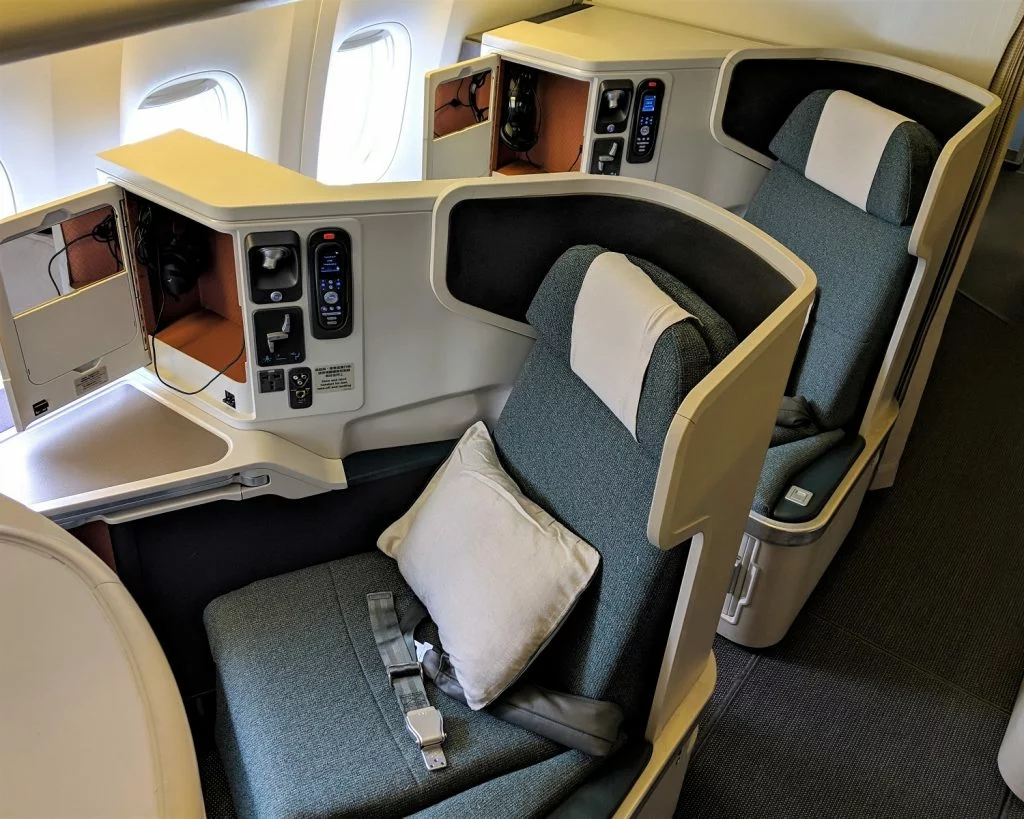
As airlines introduce new cabins, the gap between older and newer business class products becomes more noticeable. Two tickets marketed as business class can offer very different privacy, seat comfort and personal space:
Some services use fully enclosed suites.
Others use traditional open-plan seating.
Securing a premium cabin is not the same as securing a particular premium experience. Our guide to the different types of business class seats compares these layouts.
What Does This Mean for Travellers Planning 2027 Journeys?
A good business itinerary depends on three things lining up:
Availability: Is the preferred departure open in the cabin you need?
Product: Does the operating aircraft offer the seat and onboard experience you expect?
Value: Does the fare make sense once the route, schedule and ticket conditions are considered together?
The right trade-off depends on what you value:
A traveller who prioritises a full night's sleep may reasonably pay more for a nonstop flight with a fully lie-flat seat.
A traveller with a flexible schedule may find a one-stop itinerary offers a similar experience at a better fare.
Neither choice is inherently better. What matters is whether the journey matches your priorities.
If you are deciding when to start searching, our guide to the best time to buy business class tickets covers booking windows and flexibility.
Where a Premium Travel Advisor Adds Value
As premium cabin products multiply, comparing them gets harder. A search result shows which flights are available and what they cost. It does not always show whether they are truly comparable.
Assessing that can mean examining cabin configurations, fare rules, connection times, alternative gateways and ticketing conditions. An advisor can bring these together.
At Above9 Travel, our consultants look beyond the headline fare. We consider your schedule, comfort preferences and available routings. Where applicable, we also search eligible consolidator fares and alternative ticketing arrangements.
We cannot promise that every journey will be booked below the published market price. Our aim is a clearer comparison of the options, and a clear understanding of what you are buying.
Key takeaways
Premium demand is rising faster than premium seating, and airlines are earning more from premium cabins.
More business class seats do not guarantee availability on the flight you want.
Seat availability and fare availability are different. Check both.
Route, cabin product and ticket conditions matter more than broad predictions.
The best premium itinerary balances availability, product and value.